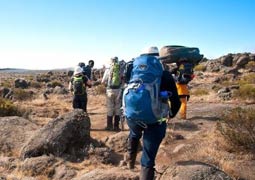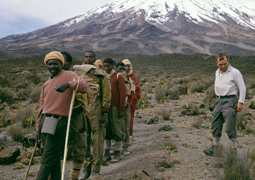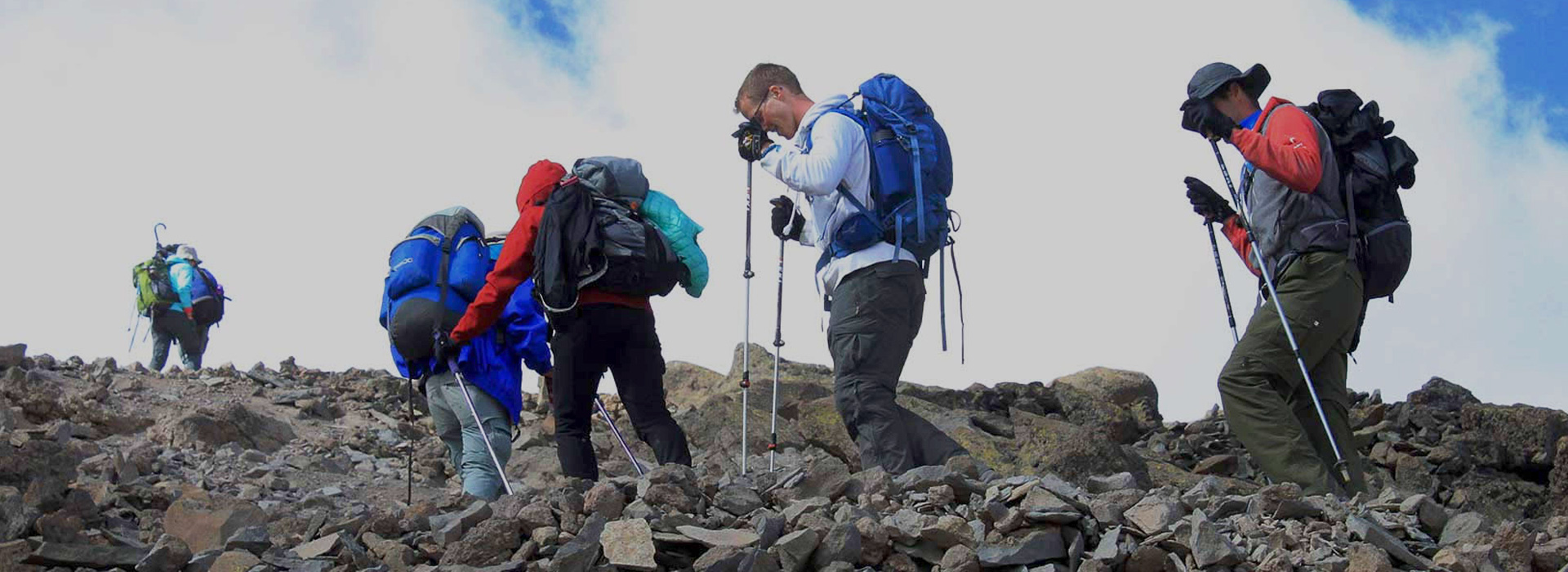
The Marangu route is one of the most popular routes to the summit of Kilimanjaro. This could partly be as a result of the fact that the Marangu is the least expensive route, but more so, perhaps the fact that it is possible to do the Marangu route in 5 days, thereby getting to the summit one day earlier compared to the Machameroute. This is not always the best way, due to a shorter acclimatisation period. The Marangu route does however offer you the option of spending an extra acclimatisation day on the mountain. This extends the route into a 6-day trek, greatly increasing your chances of success. Shared hut accommodation on the Marangu route forms one of the main differences, compared to the other routes. It offers you the relative luxury of being able to sleep in huts along the entire route. Mineral water, soft drinks, chocolates and beers are also sold at all the camps on this route. All your equipment and supplies are portered and a cook prepares all your meals.
The main itinerary difference between the Marangu 5 day and 6 day routes is the additional acclimatization day at Horombo Hut.
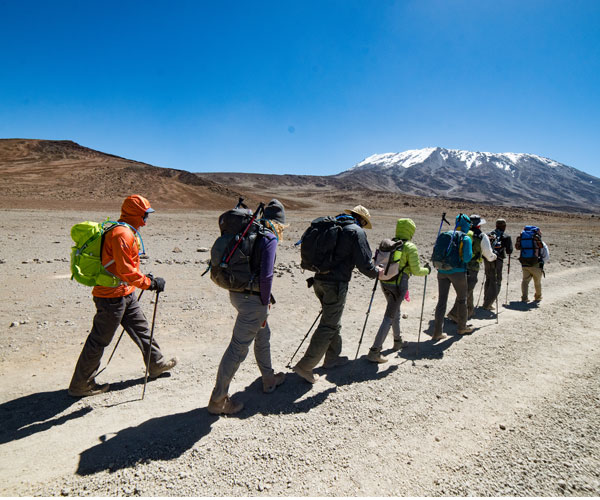
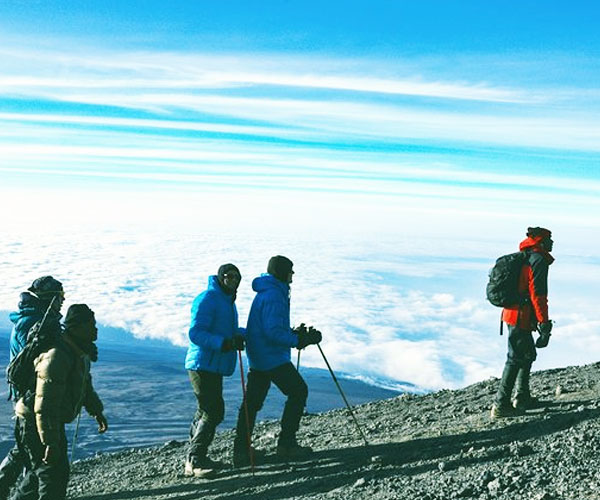
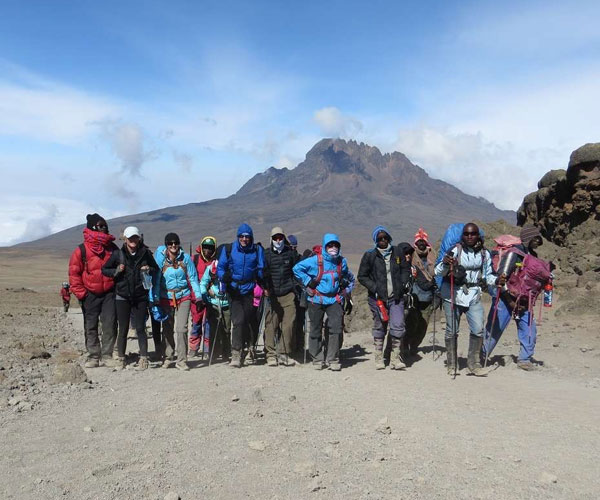

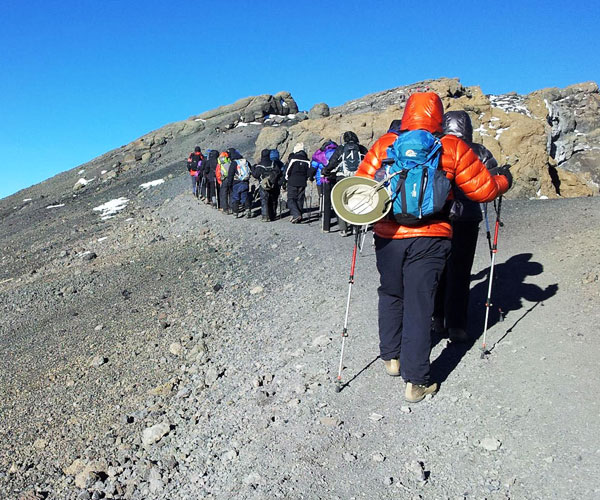
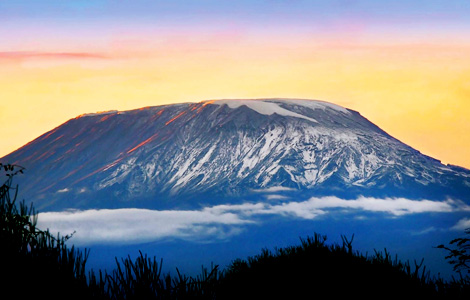
You must have been thinking, that why travelers chose Tanzania to full fill their trekking dreams? The simplest answer is the grandiose Mount Kilimanjaro and the majestic Mount Meru. As, a climber, here you can get the best opportunity to climb one of the elevated peaks of Africa and experience some of the thrill-seeking activities as well. . Welcome to the magnificent land of Tanzania.
| January | April | July | October |
| February | May | August | November |
| March | June | September | December |
Hiking time: 5h
Distance: Approximately 8.1 km
Habitat: Montane forest
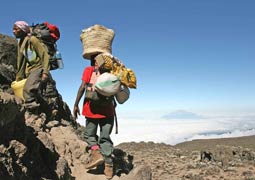
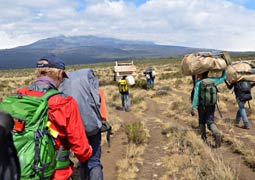
The drive from Moshi to the Kilimanjaro National Park gate, takes about 50 minutes. The journey passes through the village of Marangu, which is located on the lower slopes of the mountain. Once you reach the park gate, all hikers are requested to sign in at the Park office and make their final preparations for the climb. Porters will be seen arranging and loading their packs, containing the food, water, cooking gas as well as most of your equipment. Make sure that you have all your daypack items (containing at least drinking water, your lunch pack and extra clothing) with you, as the porters ascend a lot quicker than the hikers.
Our guides will be available to assist with any additional information or needs you might have. You now leave the Park gate and ascend on a cleared ridge trail through the rain forest. The forest, suffused with mist and dripping with beards of moss, is also where most of Kilimanjaro’s animals are found.
An alternative and more scenic parallel forest trail branches off to the left a few minutes after the gate. This trail follows the edge of a stream through the undergrowth and offers you the option to rejoin the main trail either after 1.5 hours hiking, or 1 hour before Mandara hut.
Your first night stop, Mandara hut, consisting of a group of wooden A-framed huts in a forest clearing. Each hut features 6-8 sleeping bunks with solar generated lighting. The total capacity of the camp is 60 climbers. Water is piped into the camp from springs above and there are flush toilets behind the main hut. Dinner is prepared by our cook and served in a communal dining mess.
Hiking time: 6h
Distance: Approximately 11.6 km
Habitat: Moorland
From Mandara hut the trail passes through a short stretch of forest, skirts the base of the Maundi Crater and then emerges into the transition from rain forest to moorland. It is well worth a short detour to scramble up the rim of the Maundi Crater for your first really impressive view of the Kibo Crater. On a clear day, Kibo will glimmer in the distance, showing off her majestic glaciers in the morning sun.
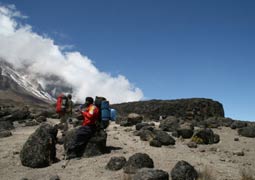
Once you are in the open moorland you will get the chance to see some of Kilimanjaro’s most spectacular plants – the endemic giant lobelia which grows up to 3 m in height and the giant groundsel (SeneciaKilimanjari), which can reach heights of 5m! After about 6 hours trek from here, you reach the Horombo hut, where you will have a hot bowl of washing water, rest; an evening meal and overnight.
Horombo hut is a village of huts perched on a small plateau, with buildings similar to Mandara, but with a total capacity of 120 climbers! Horombo is normally bustling with hikers, guides and porters, with an atmosphere of adventure and excitement. You will meet both ascending and descending hikers here.
This extra day and night at Horombo is for additional acclimatisation. A hike towards the Mawenzi hut, passing the Zebra Rocks on the way (about 3 hours up and 1,5 hours down), is strongly recommended. This hike will further assist with the process of acclimatisation. Remember to drink enough water and move slowly! All meals for the day are provided at the hut. Retire to bed early and get a last good night’s rest.
Horombo hut (3705m) – Kibo hut (4730m)
Hiking time: 6h
Distance: Approximately 9.6 km
Habitat: Alpine desert
After breakfast you now continue your ascent into the Alpine desert habitat. From Horombo there are two trails to the “Saddle” (which refers to the area located between the peaks of
Mawenzi and Kibo). There is an upper route (right hand fork) and lower route (left hand fork) to choose from. The upper route (right hand fork) should be very familiar, as you will have climbed most of it the previous day (on your acclimatisation hike) towards Mawenzi hut. This section is very stony and eroded.
The recommended lower route (left hand fork) is much easier and nearly an hour shorter, and it also passes the last watering point at 4130m. You will have to fill your water bottles with all the water you will need until your return to Horombo hut in two night’s time (unless you are willing to buy Mineral water at Kibo hut). Once again remember to slow down and drink enough water!
Situated in the barren Alpine desert is Kibo hut, a stone build block house which has bunk beds for 60 climbers, but no streams with water nearby. It is however possible to buy mineral water and soft drinks at the camp office. There are platform toilets behind the hut.
The summit is now a further 1195m up and you will make your final ascent the same night. Prepare your equipment, ski-stick and thermal clothing for your summit bid. This should include the replacement of your headlamp and camera batteries and make sure you have a spare set available as well. To prevent freezing it will be wise to carry your water in a thermal flask. Go to bed at round about 19h00 and try to get as much rest and sleep as possible.
Hiking time: 7 to 8 hours to reach Uhuru Peak, 6 to 8 hours to descend to Horombo
Distance: Approximately 5.4km ascent and 15 km descent
Habitat: Stone scree and ice-capped summit
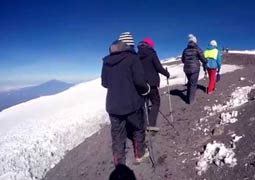
You will rise around 23h30, and after some tea and biscuits you shuffle off into the night, and this is where the going really gets tough. The first section of the trail consists of a rocky path to the Hans Meyer Cave (5150m), also a good resting spot. The path then zigzags up to Gillman’s point (5 681m), which is located on the crater rim. This section is very steep with a lot of stone scree, requiring a great physical and mental effort. This is probably the most demanding section of the entire route. Do the Kili shuffle and move slowly.
From Gillmans Point you will normally encounter snow all the way up to Uhuru peak (5895m), the highest point in Africa. Total exhilaration and satisfaction – you made it. Weather conditions on the summit will determine how long you will be able to spend, taking photographs, before the 3 hour descent back to Kibo hut. After a short rest you gather all your gear you left behind for the ascent and head down to Horombo hut (3 hours) for your overnight. The return to Horombo hut will seem surprisingly fast compared to the ascent. The total time spent walking on this day is around 14 hours, so be prepared for a very tough day. Later in the evening you enjoy your last dinner (with soft drinks and beer for sale at the camp office) on the mountain and a well-earned sleep, filled with memories and stirring emotions.
Hiking time: 6h
Distance: Approximately 19.7 km
After breakfast you continue your descent (6 hours), passing the Mandara hut, down to the Marangu gate. It is strongly recommended not to pay your porters any tips until you and all your gear have reached the gate safely. Click here for more info on tips. At Marangu gate you sign your name and details in a register. This is also where successful climbers receive their summit certificates. Those climbers who reached Gillman’s Point (5685m) are issued with green certificates and those who reached Uhuru Peak (5895m), receive gold certificates. You now drive back to Moshi for a long overdue hot shower, dinner and celebrations!! Overnight at the Springlands hotel.
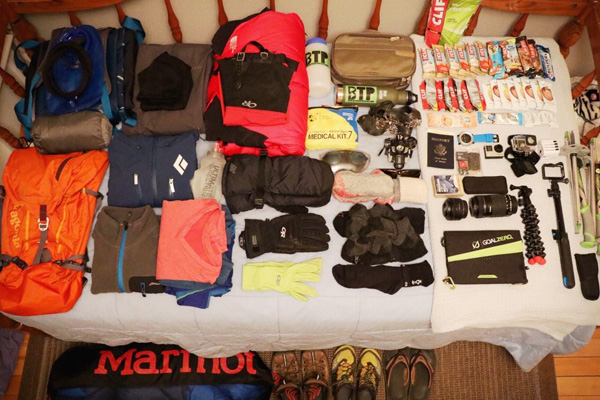
If you are in the planning of Mount Kilimanjaro then here is the information that you may need. The eastern African mecca Kilimanjaro is the highest peak of Africa and t the world’s largest free-standing Mountain [5895 m]. The time of browsing the list for the trekking, you need to know your requirements first. Then go with your essentials.
Bring your Airline tickets (confirmation and itinerary), International health card (immunizations listed), Passport photos (2), valid passport.
Read More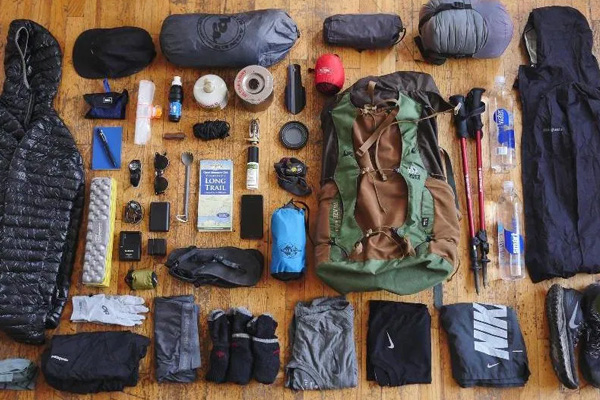
Heading out for the majestic Mount Kilimanjaro trek is awe-inspiring. Each day hike may be a delightful gift to exploring nature with friends and family, or maybe by yourself. Whether the rocky sleepy routes or the time of daunted decision to take, to travel deep into the mountains or stay closer to home, these places are the one-stop destination. Routes and national parks offer broad networks for trails, and here you can get the opportunity to explore. But the excursion needs some of the important gear to trek.
Read More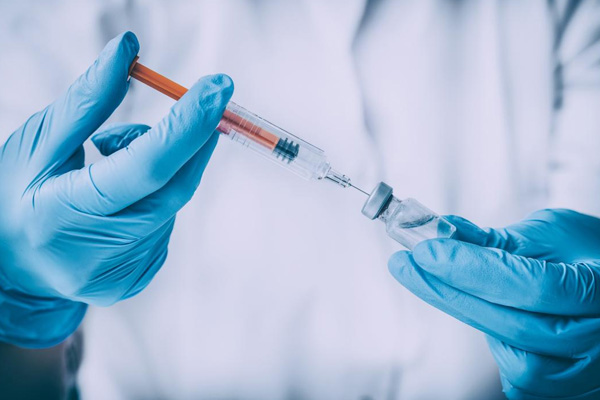
Before you head towards the grandiose Mount Kilimanjaro, you need to aware of certain facts. Acute altitude sickness is additionally mentioned as “Altitude Sickness”, and because the name indicates the illness is usually encountered at exceptionally high altitudes, like the summit area of Kilimanjaro. AMS, once apparent, are often most effectively treated by immediately taking the affected person to a lower altitude. You need to consult before the trek. The symptoms of AMS include within the order normally experienced; headaches, nausea, anorexia, exhaustion, lassitude, rapid pulse, insomnia, swelling of the hands and feet and reduced urine output. Here you can take the recommended dosage of Diamox. Climbers can take precautions to a minimum of minimizing the severity of the illness, by maintaining a slow steady pace from day one, including an additional day of acclimatization at a high altitude and by drinking a minimum of 3-4 liters of water a day.
Read More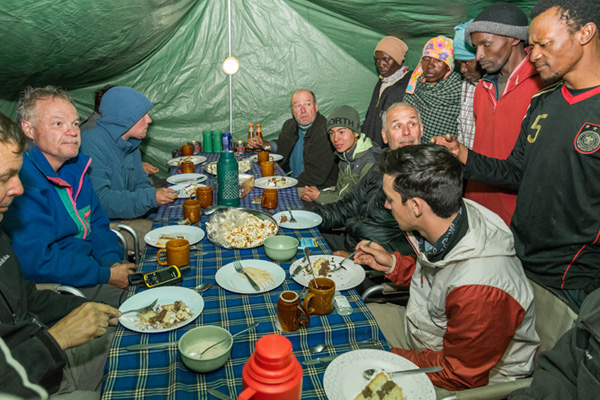
If you’ll be climbing the highest best peak in Africa. Which is the highest elevated peak of this country? The food that fuels you is an important ingredient in your summit success. Kilimanjaro serves the best at its trekkers. What’s important for your meals on the climb? First, the food should be nutritious. Isn’t it? Meals should be high in calories with the right balance of complex carbohydrates, protein. If you want you can customize the entire food. And therefore the proper of fats to assist sustain your increased level of exertion. Your kind-hearted porters will make you the delicious meals during the excursion. We’ve designed our menus to incorporate the proper nutrition to stay you happening the climb, with three good meals each day, plus tasty trail snacks—the simple sugars in this help provide a lift of energy to stay you going.
Read More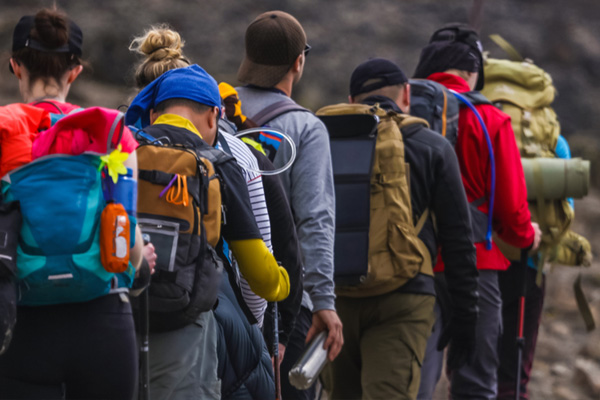
Once you’ll on the Grandiose Mountain of Kilimanjaro, your systematized guides and porters should be essential to your excursion. First is your willpower then you’ll the important factors contributing to a successful summit at such higher elevation are Guides and Porters. For the duration of your Kilimanjaro trek, your guide is going to be your advisor, he will lead you to the summit, and he will bring down safely again. That is the most vital step towards success. It’ll be crucial that you simply work closely with him and follow their notable advice.
Read More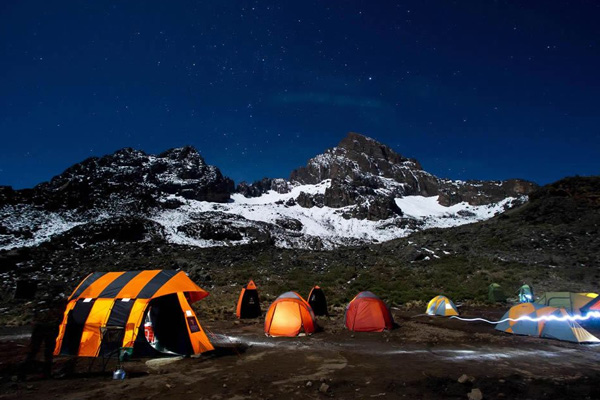
The camping facilities, tents, and toilets on Kilimanjaro are a daunted job to do. If you’re heading toward the majestic mountain Kilimanjaro, then the private toilet camp is necessary. At such higher elevation, you may have faced some health-related issues, while using the public toilet. Then it will be a better idea to bring your own personal, and safe toilet tent. Most of the climbing organizations offer their climbers the option of taking portable loo up the mountain. These are nifty little devices that come with their mini tent, and make your nature’s call easier.
Read More
How can I climb Kilimanjaro?
Trekking to the majestic Mount Kilimanjaro will be your one of the finest decision of life. You need to set a date and book your accommodation, flight, and drive, before the trip. Then get connect with the best travel organiser or the trekking company. And from here they will take all your responsibility on the mountain or during the excursion.
Read More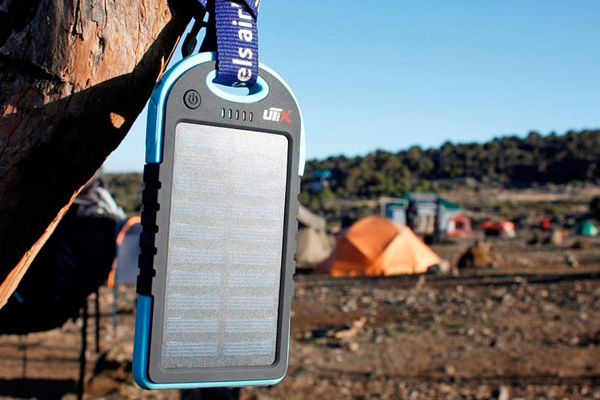
To climb the stunning Mount Kilimanjaro is one of the foremost desired adventures. And if you’re heading towards the mountain, then you need to carry some essential gadgets with you. That is on the highest of the many trekkers and adventure lovers bucket lists. Thus you should focus on your priorities. Kilimanjaro Trekking isn't only something that needs good physical training but also it needs little good preparation before the trek
Read More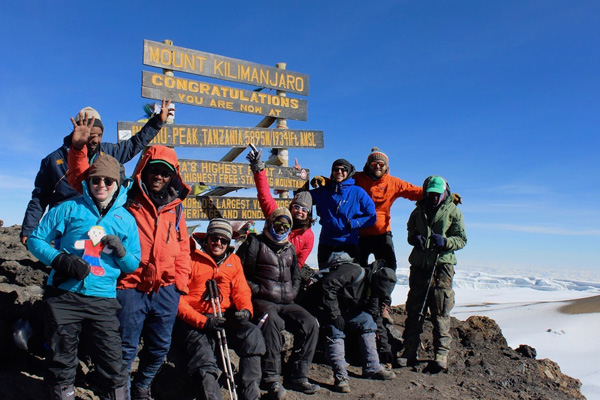
Tipping on Kilimanjaro always seems to be a daunted job. The more you get to know more, the more you’ll confuse. You should know one thing that, there is no right or wrong way to tip your guides. Because it varies company to another. The first concern is, why you need a perfect guide on the mountain? And the answer should be the practical one. A leader leads the path. And if you are committed to the summit, then you need the experienced guide. They’ll instruct you the easiest way to reach your destination.
Read More
Tailor-Made tours are bespoke adventures meaning you can choose everything from the level of accommodation you sleep in to how you travel on a tour of your choice.
Read More